 By Anne Lynch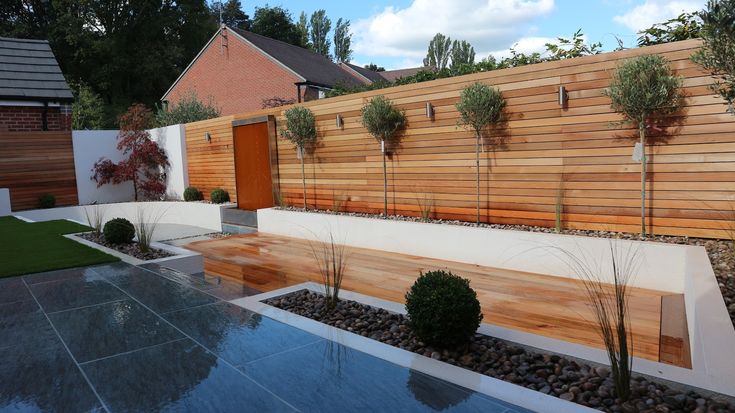
When it comes to outdoor projects, selecting the right material is crucial for ensuring durability, aesthetic appeal, and environmental sustainability. Western Red Cedar stands out as an ideal choice for cladding, offering a blend of natural beauty, exceptional performance, and environmental benefits. This article delves into the myriad advantages of Western Red Cedar, highlighting why it should be your go-to material for cladding and other outdoor constructions.
Table of Contents
Natural Beauty and Aesthetic Appeal
Western Red Cedar is renowned for its striking appearance. Its rich, warm hues range from light amber to deep honey brown, providing a natural elegance that enhances any outdoor setting. The wood’s fine, straight grain and uniform texture add to its visual appeal, making it a favorite among architects and designers.
Moreover, Western Red Cedar ages gracefully. Over time, it develops a lovely silvery patina when exposed to the elements, adding a touch of rustic charm. This natural aging process ensures that structures made from Western Red Cedar remain attractive throughout their lifespan.
Exceptional Durability and Longevity
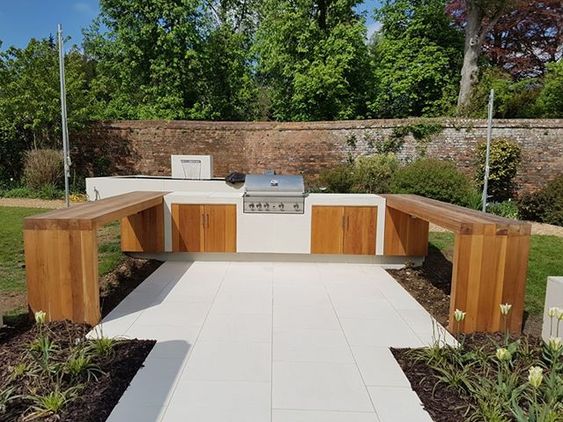
One of the standout features of Western Red Cedar is its exceptional durability. Naturally resistant to decay, rot, and insect damage, this wood species does not require chemical treatments to maintain its integrity. This inherent resistance is due to the presence of natural preservatives, which help the wood withstand harsh outdoor conditions.
In addition to its resistance to decay and insects, Western Red Cedar also boasts impressive dimensional stability. It exhibits minimal shrinkage, swelling, and warping, even in varying climatic conditions. This stability ensures that outdoor structures, such as decks, fences, and pergolas, retain their shape and structural integrity over time.
Sustainability and Environmental Benefits
Western Red Cedar is a sustainable building material, sourced from responsibly managed forests. The harvesting practices for Western Red Cedar are governed by stringent regulations that ensure reforestation and the preservation of biodiversity. This commitment to sustainable forestry makes Western Red Cedar an environmentally friendly choice.
Furthermore, Western Red Cedar is biodegradable and renewable. Unlike synthetic materials, it does not contribute to landfill waste at the end of its lifecycle. Using Western Red Cedar in outdoor projects supports eco-friendly building practices and reduces the environmental impact of construction activities.
Versatility and Workability
Western Red Cedar’s versatility makes it suitable for a wide range of outdoor applications. Whether you are constructing a deck, gazebo, arbor, or outdoor furniture, Western Red Cedar can meet the demands of various projects. Its natural stability and resistance to the elements make it an excellent choice for siding, roofing, and paneling as well.
In terms of workability, Western Red Cedar is a craftsman’s dream. It is lightweight yet strong, and it can be easily cut, shaped, and finished with common woodworking tools. Its smooth surface readily accepts stains, paints, and finishes, allowing for customization to match any design preference.
Acoustic and Thermal Insulation Properties
Another notable benefit of Western Red Cedar is its acoustic and thermal insulation properties. The cellular structure of the wood provides effective sound dampening, making it an excellent choice for outdoor spaces where noise reduction is desired. For instance, using Western Red Cedar for fencing or paneling can create a more peaceful and private outdoor environment.
Additionally, Western Red Cedar offers natural thermal insulation, helping to regulate temperature in outdoor structures. This makes it a comfortable and practical choice for gazebos, pergolas, and other outdoor living spaces, where maintaining a pleasant temperature is important.
Health and Well-being Benefits
Beyond its practical attributes, Western Red Cedar also contributes to health and well-being. The wood emits a pleasant, natural aroma that has been found to have calming effects. This can enhance the overall atmosphere of outdoor spaces, creating a serene and relaxing environment.
Furthermore, the use of natural materials like Western Red Cedar can improve indoor air quality in adjacent living spaces. Unlike treated woods or synthetic materials, it does not release harmful chemicals or volatile organic compounds (VOCs), promoting a healthier living environment.
Cost-Effectiveness
While the initial cost of Western Red Cedar may be higher than some other materials, its long-term benefits often make it a more cost-effective option. The wood’s durability and low maintenance requirements translate to reduced upkeep costs over time. Additionally, the natural resistance of Western Red Cedar to decay and pests means fewer repairs and replacements, further adding to its cost-effectiveness.
When considering the lifespan and maintenance needs of outdoor home improvement projects, Western Red Cedar provides excellent value for money. Its combination of beauty, performance, and sustainability ensures that investments in Western Red Cedar pay off in the long run.
Conclusion
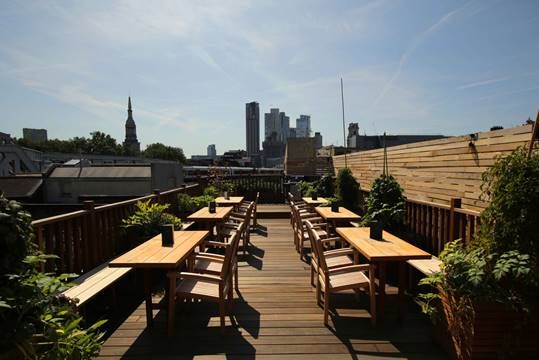
Western Red Cedar is an unparalleled choice for outdoor projects, offering a blend of aesthetic appeal, durability, sustainability, and versatility. Its natural beauty enhances any outdoor space, while its exceptional performance ensures structures that stand the test of time. Choosing Western Red Cedar not only supports eco-friendly building practices but also provides cost-effective and health benefits.
For those looking to create stunning, long-lasting outdoor structures, Western Red Cedar emerges as the perfect material. Its unique properties and numerous advantages make it the ideal choice for anyone seeking to blend beauty, function, and environmental responsibility in their outdoor projects.