 By Anne Lynch
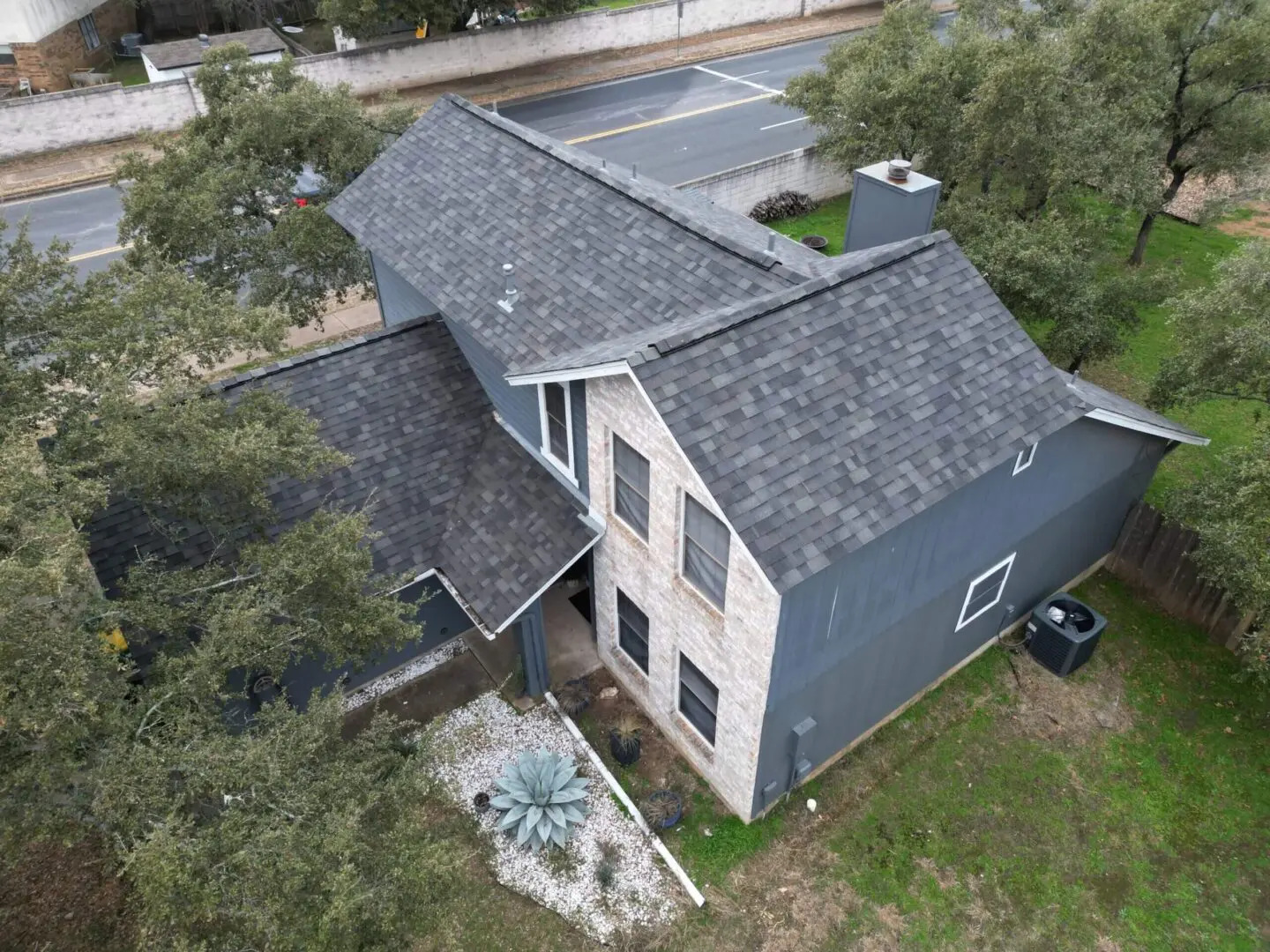
Austin experiences changing weather conditions year-round, from intense summer heat to heavy rainfall, thunderstorms, and occasional winter freezes. For homeowners considering asphalt roofing in Austin, TX, understanding the local climate matters. Although asphalt shingles are widely used for their versatility, durability, and affordability, their performance depends on material quality, proper installation, ventilation, and regular maintenance.
Table of Contents
- Understanding Austin’s Climate and Its Impact on Roofing
- How Summer Heat Affects Asphalt Roofing
- How Spring Storms Affect Asphalt Roofs
- How Heavy Rainfall Affects Asphalt Roof Performance
- How Winter Temperature Changes Affect Asphalt Roofing
- How Proper Installation Improves Seasonal Roof Performance
- Seasonal Roof Maintenance Tips for Austin Homeowners
- Spring and Summer Maintenance
- Fall and Winter Maintenance
- Frequently Asked Questions
- How long does asphalt roofing typically last in Austin?
- Can extreme summer heat damage asphalt shingles?
- Are impact-resistant asphalt shingles suitable for Austin homes?
- When should homeowners schedule a roof inspection?
- What are the warning signs that an asphalt roof needs replacement?
- Does seasonal weather affect the cost of roof maintenance?
- Conclusion
Understanding Austin’s Climate and Its Impact on Roofing
Asphalt shingles are designed to withstand various weather conditions, but continuous exposure to environmental elements can gradually affect their protective properties. Understanding how seasonal changes affect asphalt roofing services in Austin, TX, can help homeowners spot potential issues and maintain their roofs year-round.
How Temperature Changes Affect Roofing Materials
Roofing materials naturally expand when heated and contract as temperatures decrease. Over time, repeated temperature fluctuations may contribute to material fatigue, particularly in aging shingles.
Proper ventilation and installation help manage these effects while supporting long-term roof performance.
How Summer Heat Affects Asphalt Roofing
Prolonged Sun Exposure and Shingle Aging
Austin’s summers often bring extended periods of intense sunshine and high temperatures. Continuous ultraviolet exposure can gradually break down the asphalt components within shingles, reducing their flexibility.
As shingles age, they may become brittle, lose protective granules, or develop cracks. These changes can affect their ability to protect the roof against moisture. High-quality asphalt shingles with suitable weather-resistant features can help homeowners manage the challenges of prolonged sun exposure.
The Importance of Attic Ventilation
During summer, heat can build up in poorly ventilated attic spaces, raising temperatures beneath the roof deck.
A properly designed ventilation system helps release excess heat and moisture. Balanced attic ventilation, combined with suitable insulation, supports roof performance and may improve indoor comfort. Homeowners should have their attic ventilation assessed when planning roofing improvements.
How Spring Storms Affect Asphalt Roofs
Hail Damage and Protective Granule Loss
Spring often brings thunderstorms that can produce hail and strong winds. Depending on hailstone size, wind speed, and roofing condition, impacts may damage shingles or dislodge protective granules.
Granule loss can expose underlying asphalt to sunlight and accelerate deterioration.
Impact-resistant shingles may provide additional protection against certain hail impacts, although no asphalt roofing in Austin, TX material is completely damage-proof.
Strong Winds and Loose Shingles
High winds can lift shingle edges, weaken fastening points, and expose vulnerable roof sections.
Improperly secured or deteriorating shingles may be especially susceptible to wind damage. When evaluating asphalt roofing services, homeowners should consider contractors who understand local wind conditions and follow manufacturer installation requirements.
How Heavy Rainfall Affects Asphalt Roof Performance
Moisture Intrusion and Water Damage
Heavy rainfall can reveal weaknesses around roof penetrations, flashing, valleys, and damaged shingles.
When water enters beneath the roofing surface, it may affect the roof decking, attic insulation, and interior finishes.
Properly installed underlayment, flashing, and drainage components play an essential role in preventing moisture intrusion.
The Importance of Proper Drainage
Blocked drainage systems can cause water to collect near roof edges or overflow into vulnerable areas.
Removing accumulated leaves and debris from gutters helps water move away from the structure.
Regular visual inspections can also reveal drainage concerns before they contribute to more extensive damage.
How Winter Temperature Changes Affect Asphalt Roofing
Cold Weather and Shingle Flexibility
Although the Austin area generally experiences mild winters, occasional freezing temperatures can affect roofing materials. Older asphalt shingles may become less flexible in cold conditions, making existing weaknesses more noticeable. Sudden temperature changes may also place stress on flashing, sealants, and other roofing components.
Freeze-Thaw Conditions and Moisture
When moisture enters small openings and subsequently freezes, expansion can worsen existing gaps or cracks.
While prolonged freezing conditions are relatively uncommon in Austin, inspecting vulnerable roof areas before winter remains a sensible preventive measure.
How Proper Installation Improves Seasonal Roof Performance
A roofing system’s durability depends on more than the shingles themselves. Quality asphalt roofing installation involves appropriate underlayment, flashing, ventilation, fastening methods, and manufacturer-approved installation practices.
A properly installed roofing system reduces the likelihood of premature deterioration and improves resistance to seasonal weather challenges.
Homeowners planning a roof replacement should compare material specifications, impact ratings, warranties, and installation requirements before deciding. Genuine Texas Exteriors provides residential roofing replacement services in Austin and surrounding Central Texas communities, including polymer-modified asphalt shingle options.
Seasonal Roof Maintenance Tips for Austin Homeowners
Preventive maintenance can help identify roofing concerns before they become expensive problems.
Spring and Summer Maintenance
- Inspect the roof from the ground after severe thunderstorms.
- Look for missing shingles or visible granule accumulation.
- Keep gutters and drainage pathways clear.
- Check attic ventilation for potential airflow restrictions.
- Arrange an inspection when storm damage is suspected.
Fall and Winter Maintenance
- Remove leaves and debris from gutters.
- Examine visible flashing around chimneys and roof penetrations.
- Check attic spaces for signs of moisture.
- Address damaged or displaced shingles before freezing weather.
- Schedule professional assessments when necessary.
Avoid walking on steep, wet, damaged, or extremely hot roofing surfaces. A qualified contractor can safely inspect hard-to-reach areas.
Frequently Asked Questions
How long does asphalt roofing typically last in Austin?
Many asphalt shingle roofing systems have an expected service life of about 20 to 30 years, depending on the product, installation quality, ventilation, maintenance, and weather exposure. Severe storms or prolonged heat may shorten that lifespan.
Can extreme summer heat damage asphalt shingles?
Yes. Prolonged exposure to ultraviolet radiation and elevated temperatures can accelerate aging, reduce shingle flexibility, and contribute to granule loss. Appropriate roofing materials and ventilation help manage these conditions.
Are impact-resistant asphalt shingles suitable for Austin homes?
Impact-resistant shingles may be a practical choice for areas exposed to hailstorms. Products with recognized impact ratings may offer improved resistance to certain hail impacts. However, their performance depends on the specific product and storm conditions.
When should homeowners schedule a roof inspection?
Roof inspections are particularly useful after significant hailstorms, strong winds, or visible roof damage. Periodic assessments can also help identify aging materials, flashing problems, and drainage concerns.
What are the warning signs that an asphalt roof needs replacement?
Common warning signs include widespread missing shingles, extensive cracking, significant granule loss, persistent leaks, and deteriorated roof decking. A qualified roofing contractor can determine whether replacement is necessary.
Does seasonal weather affect the cost of roof maintenance?
Yes. Maintenance costs depend on damage severity, material condition, roof accessibility, and the amount of work required. Addressing minor concerns early may help homeowners avoid more extensive restoration expenses.
Conclusion
Seasonal weather plays an important role in the performance and longevity of asphalt roofs in Austin. Summer heat, spring thunderstorms, heavy rainfall, and occasional winter freezes can gradually affect roofing materials and expose existing weaknesses.
Understanding these seasonal challenges allows homeowners to plan maintenance, recognize warning signs, and make better decisions about roofing materials. Regular inspections, suitable shingle products, and proper installation can help protect a home’s structure year-round. For homeowners evaluating asphalt roofing options in Austin, TX, considering local weather conditions is an important part of planning a durable roofing system.
Planning a roofing upgrade in the Austin area? Find Genuine Texas Exteriors on Google Maps and learn more about residential roofing solutions available across Central Texas.