 By Anne Lynch
Heavy industry, encompassing construction, mining, and transportation, is the backbone of the global economy. These industries rely on reliable and efficient fuel sources to keep their operations running smoothly. Among the most important of these fuel sources is diesel. Diesel-powered equipment is central to the machinery that powers construction sites, long-haul trucking, and mining operations. However, the future of heavy industry isn’t just about the machinery itself — it’s also about how the fuel is sourced, delivered, and managed.
Table of Contents
This is where diesel suppliers come into play. With innovations in fuel management, distribution systems, and sustainable practices, modern fuel suppliers are transforming the heavy industry fuel landscape. They’re not just providing fuel — they’re driving efficiency, sustainability, and the evolution of industry standards.
The Role of Diesel Suppliers in Heavy Industry
Diesel is a key fuel for a variety of heavy industry sectors. Its high energy density, reliability, and efficiency make it a staple in industrial operations. However, as industries face increasing pressure to lower emissions and reduce costs, diesel suppliers are being called upon to innovate.
For diesel suppliers, this means more than just delivering fuel. They are tasked with providing solutions that meet the diverse needs of industries while addressing environmental concerns.
Fuel suppliers must ensure a reliable and steady fuel supply that prevents disruptions. However, their role goes beyond logistics. They must also offer management services related to fuel, including fuel monitoring, quality control, and inventory management, to help industries optimize their fuel use. With advancements in technology, these suppliers are leveraging real-time data and predictive analytics to forecast fuel needs and streamline delivery schedules.
Sustainability and the Role of Diesel Suppliers
Sustainability is a key consideration for modern diesel suppliers. The energy transition toward cleaner fuels is an industry-wide trend, but diesel continues to be a critical fuel for heavy industries. As such, diesel suppliers are facing the challenge of making diesel consumption more sustainable.
One of the ways suppliers are doing this is by providing cleaner, more efficient diesel fuels. For instance, low-sulfur diesel has become the standard, significantly reducing emissions compared to traditional diesel. Moreover, diesel suppliers are working to integrate renewable diesel, a cleaner alternative that can be used in existing diesel engines, allowing industries to continue using their current fleets while lowering their carbon footprint.
Key advancements include:
- Low-sulfur diesel: Reducing harmful emissions and improving air quality.
- Renewable diesel: A cleaner alternative to traditional diesel that can be used in current diesel engines.
- Biodiesel integration: Adding biodiesel blends to reduce the carbon intensity of fuel.
- Advanced fuel additives: Improving engine efficiency and reducing fuel consumption.
This shift toward cleaner diesel fuels is complemented by oil companies and gasoline suppliers who are also exploring ways to reduce the environmental impact of their fuels. With the growing demand for cleaner operations, these companies are increasingly partnering with governments, industries, and environmental groups to innovate.

Technological Innovations in Diesel Supply
Innovation in the fuel supply chain is rapidly changing the way diesel suppliers operate. With the rise of automation, data analytics, and IoT (Internet of Things) technology, diesel suppliers are improving efficiency and reducing costs for their clients.
For instance, many fuel suppliers now offer smart fuel management systems that allow fleet operators to monitor fuel usage in real time. These systems track consumption patterns, detect leaks or irregularities, and provide insights into how fuel is being used. This helps industries identify inefficiencies and optimize fuel consumption, which translates to both cost savings and improved environmental impact.
Diesel suppliers are also increasingly utilizing blockchain technology for transparency and security. By using blockchain, these suppliers can guarantee the quality and source of the fuel they deliver, ensuring that it meets the required standards for industrial use. This provides an added layer of accountability and helps industries ensure that the fuel they use aligns with environmental and regulatory standards.
Supporting the Logistics and Transportation Sectors
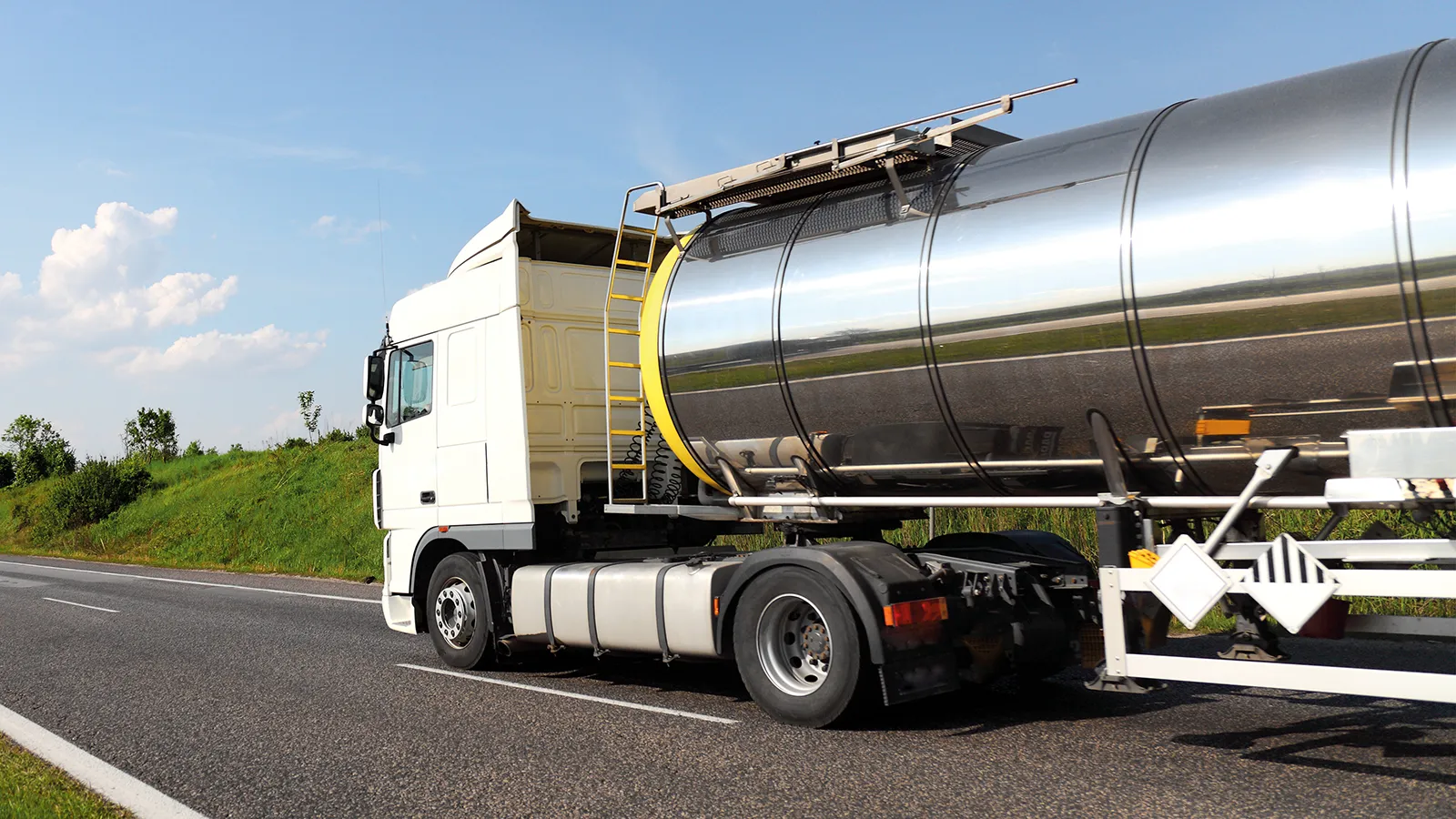
One of the biggest beneficiaries of diesel fuel supply advancements is the logistics and transportation sector. Trucks, trains, and ships that rely on diesel for long-haul transportation form the backbone of the global supply chain. Reliable fuel delivery systems from diesel suppliers are crucial to ensuring that goods are delivered on time and at the right cost.
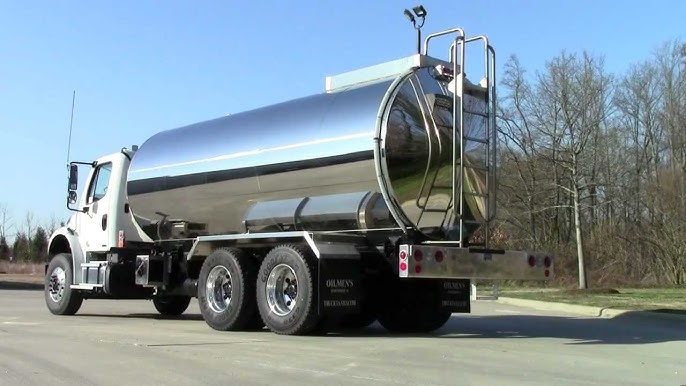
For these industries, diesel suppliers are not just providing fuel; they are ensuring fuel availability at the right times and locations, including remote and difficult-to-reach areas. Bulk fuel delivery services allow fleet operators to keep their vehicles fueled without interruption, reducing the risk of downtime. Moreover, with the integration of digital technology, fuel suppliers can schedule deliveries based on real-time data, ensuring that trucks don’t experience delays due to fuel shortages.
Efficient fuel supply systems also contribute to better fleet management. By ensuring that fleets have access to quality fuel at all times, diesel suppliers help logistics companies streamline operations and reduce fuel-related delays.

The Changing Landscape of Fuel Supply
The landscape of fuel supply is changing, especially in the wake of the pandemic and the shift toward more sustainable energy solutions. Diesel suppliers are no longer simply dealing with supply and demand — they are part of a much larger ecosystem that includes regulatory standards, environmental considerations, and the push for renewable energy sources.
As companies increasingly demand transparency, accountability, and sustainability, fuel suppliers are aligning their operations to meet these needs. From low-emission diesel to biofuels and renewable energy sources, oil companies are evolving to meet modern demands while balancing profitability with responsibility.
This evolution means that diesel suppliers will continue to play a critical role in powering industries, but they must also adapt to the changing energy landscape. Those who can integrate sustainability and innovation into their services will lead the way in powering the future of heavy industry.

Frequently Asked Questions (FAQs)
How are diesel suppliers contributing to sustainability?
Diesel suppliers are working to reduce emissions by offering cleaner fuels, such as low-sulfur diesel and renewable diesel. They also support more efficient fuel management and monitoring systems to minimize waste.
How does technology help in diesel supply operations?
Technology such as IoT, data analytics, and blockchain is helping diesel suppliers optimize fuel delivery, improve fuel management, and provide transparency, making fuel usage more efficient and secure.
Can diesel suppliers provide fuel for mixed fleets?
Yes. Many diesel suppliers offer customized solutions for fleets that use a combination of diesel and alternative fuels. This flexibility helps industries transition to greener fuel options without overhauling their existing equipment.
Why is diesel still important for heavy industries?
Despite the rise of cleaner energy options, diesel remains crucial for heavy industries due to its high energy density, reliability, and cost-effectiveness, especially for long-haul transportation and heavy machinery.
How do diesel suppliers ensure fuel quality?
Diesel suppliers use advanced filtration systems, quality control measures, and regular inspections to ensure the fuel they deliver meets the highest standards for performance and emissions.
Conclusion
The role of diesel suppliers has evolved far beyond the basic provision of fuel. Today, they are key partners in ensuring the continued success and sustainability of heavy industries, logistics, and transportation. By embracing technological innovations, sustainability practices, and efficient supply chain solutions, diesel suppliers are powering the future of heavy industry and also helping companies reduce costs, improve operations, and meet environmental goals. In this rapidly changing industry, those who stay ahead of the curve — offering cleaner, smarter, and more reliable fuel solutions — will be the ones leading the way forward.